

Download

History

Two thousand years, on one page

Paris was born more than two thousand years ago on an island in the Seine. From the modest Gallic town of Lutetia to a world capital of art and ideas, the city has lived through conquests, revolutions and grand building works to become the Paris we explore today.

Download on the App StoreAndroid: coming soon to Google Play
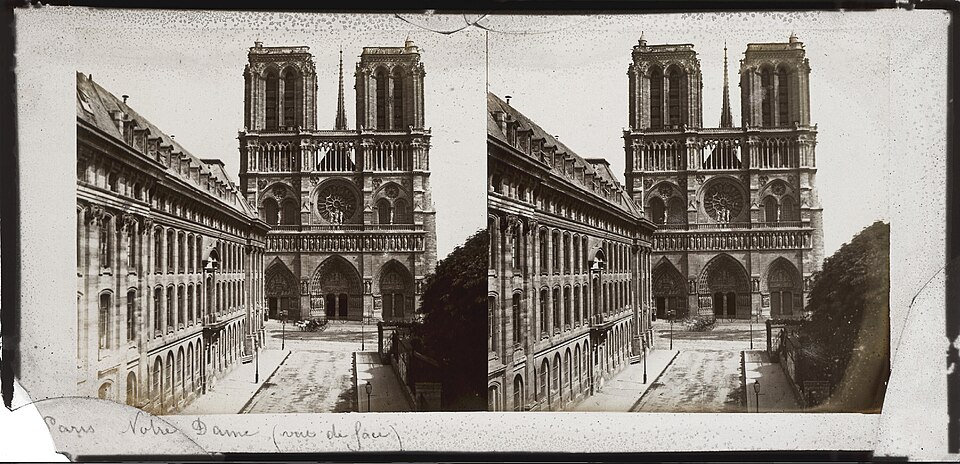
Notre-Dame Cathedral
Notre-Dame Cathedral 4e
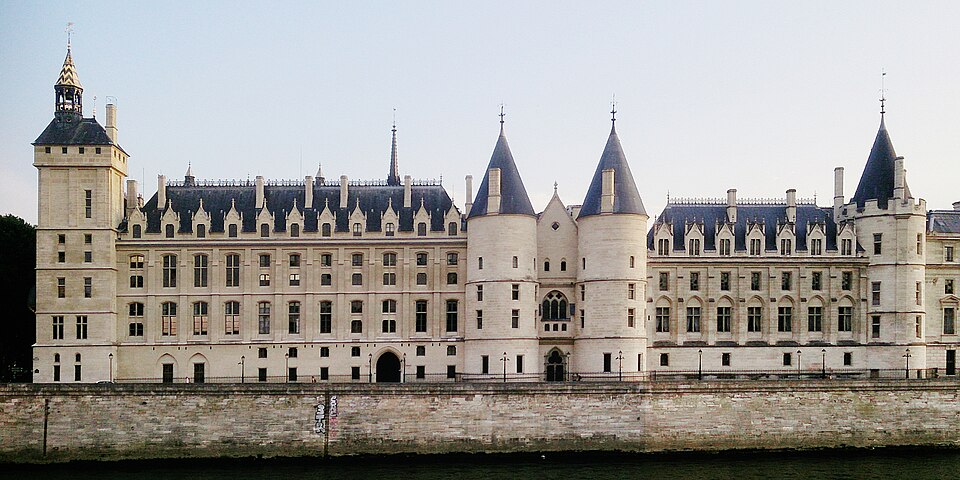
Conciergerie
Conciergerie 1er
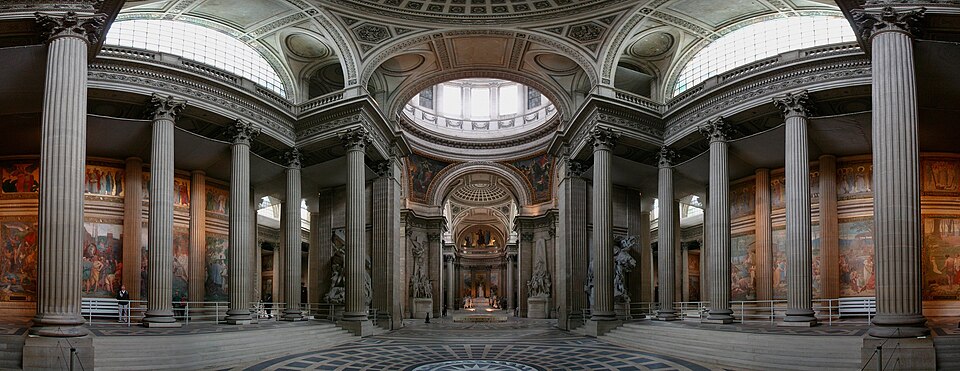
Panthéon
Panthéon 5e

Key dates

The key dates

  1. 52 BCThe Romans conquer the Gallic town and found Lutetia.
  2. 508Clovis, king of the Franks, makes Paris his capital.
  3. 1163Construction of Notre-Dame cathedral begins.
  4. 1257The Sorbonne, a future great university, is founded.
  5. 1682Louis XIV moves the royal court to Versailles.
  6. 1789The storming of the Bastille marks the start of the French Revolution.
  7. 1889The World's Fair unveils the Eiffel Tower.
  8. 1944Paris is liberated at the end of the Occupation.
  9. 2024Olympic Games and the reopening of Notre-Dame.

History

Paris, chapter by chapter

01

Gallo-Roman Lutetia

In the 3rd century BC, the Gallic Parisii tribe settled on the Île de la Cité. In 52 BC the Romans conquered the town and built Lutetia on the Left Bank: an amphitheatre, baths and a forum, a few remains of which still survive in the Latin Quarter.
02

The Middle Ages

As the capital of the Capetian kings, Paris flourished. Notre-Dame cathedral began to rise in 1163, the Sorbonne was founded in 1257, and the Louvre started life as a fortress. Successive walls enclosed the city, which became one of Europe's great intellectual and religious centres.

03

Renaissance and the Ancien Régime

Under Francis I and his successors, the Louvre became a royal palace and the city grew more beautiful. In the 17th century, Louis XIV moved the court to Versailles in 1682, yet Paris remained the economic and cultural heart of the kingdom, with its royal squares and grand private mansions.

04

The Revolution

On 14 July 1789, the storming of the Bastille set Paris ablaze and tipped France into Revolution. The city became the stage for sweeping political upheaval: the end of the monarchy, the proclamation of the Republic and the birth of ideals that would shape the entire world.

05

Haussmann's Paris

In the mid-19th century, Napoleon III tasked Baron Haussmann with modernising Paris. Wide boulevards were cut through, parks and stations created, and the city of pale stone buildings we know today was drawn. The 1889 World's Fair raised the Eiffel Tower over it all.

06

From the Belle Époque to today

A capital of the arts in the 20th century, Paris was liberated in August 1944 after the Occupation. The city gained great museums and keeps reinventing itself. In 2024 it hosted the Olympic Games and celebrated the reopening of Notre-Dame, five years after the 2019 fire.

The app

All this, and more, in your pocket

Full reviews, stories, opening hours, crowds hour by hour, a trip planned in three taps: free, ad-free and readable offline.

Download on the App StoreAndroid: coming soon to Google Play
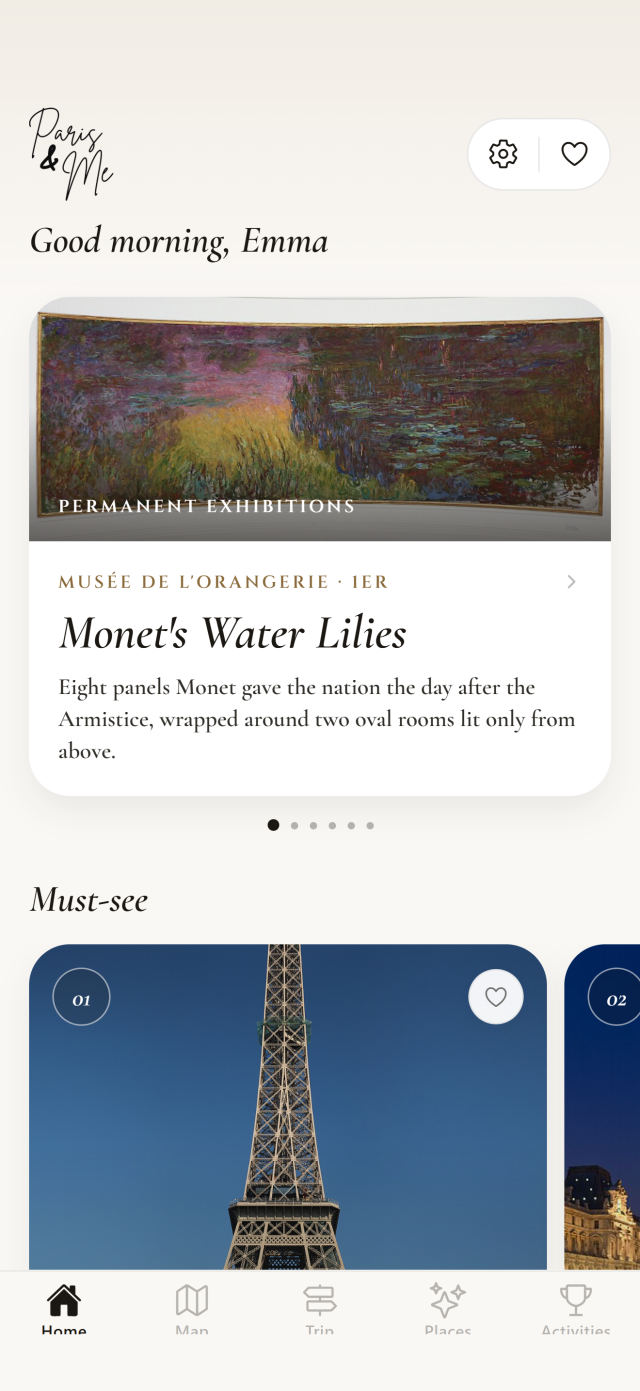
The home screen of the Paris & Me app
Photo credits (3)

Photographs from Wikimedia Commons, reproduced under their licences. Each place name links to the source.